If you grew up in Ghana, especially if you attended a public basic school, you definitely understand what the phrase ‘our day, our day’ stands for and the chorus response it receives. If you didn’t attend a public school or not in Ghana and therefore the significance of this phrase is lost on you, allow me to elaborate.
After going through all the hard work that the school term is usually made of, depending on the school and its culture, there is a day that is termed by most school children as ‘our day’. This day could be the day before school closes for the term or on the day school closes for the term. I’m sure you are probably wondering, what is so special about this day? It is the day, that as a student body, we were encouraged and indulged to ‘let our hair down’. This day was usually marked by not wearing your school uniform (a day to show off what colorful apparel you may have that was worthy of being worn to school on such a day). It was the official day of ‘bring and share’
I grew up and attended my basic schools in rural Ghana, Matetse or Dodowa New Town, in the 1980s. On this special day, as students, we were all just excited to show off not only our beautiful clothes but also the culinary skills of our parents and caregivers. It was the norm to see groups of students eating in the circles with some of the most liberal of teachers even eating with their students because the school term break is imminent and we knew we would not see these people for some time to come. I am feeling nostalgic just writing about it and wondering if this still happens in our modern day public schools.
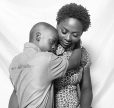
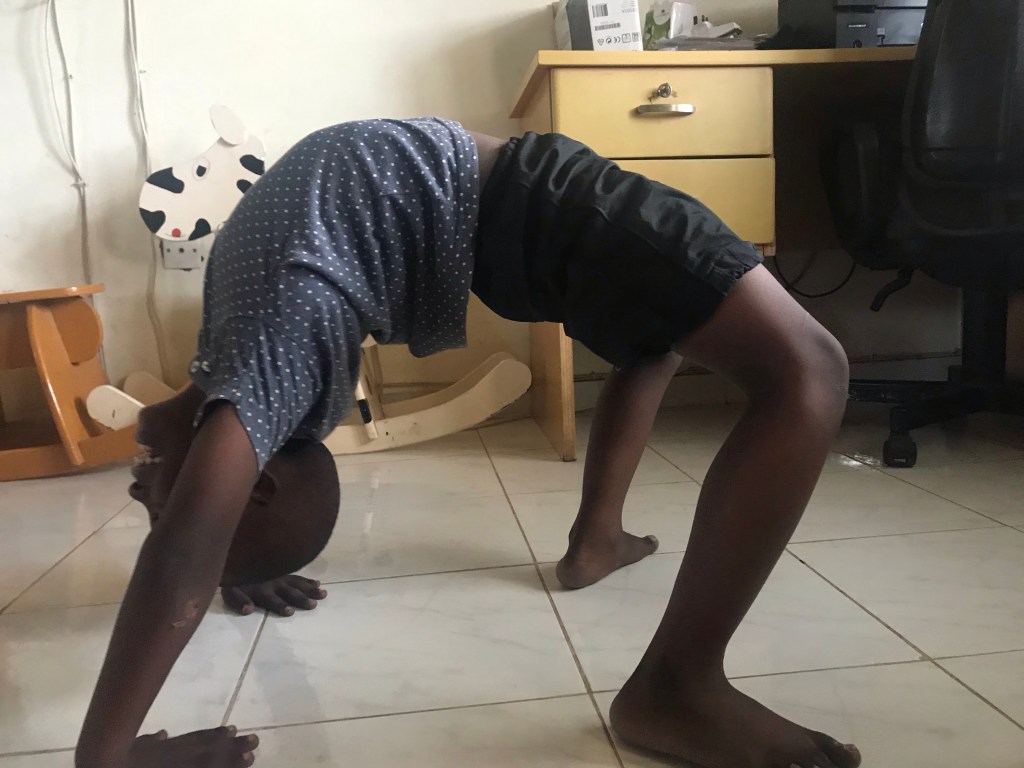
Today, December 3, 2020 is the International Day of Persons with Disabilities – clearly you understand why I am calling this day, ‘our day’. No, it is not because of the fact that I am raising a child with Down syndrome, but because disabilities are part of the human condition and all of us will be temporarily or permanently impaired at some point in our lifetime. Today, the WHO joins partners across the world to celebrate a ‘day for all’, what I call, ‘our day’! Yes, your day, my day, their day, our day!
The theme for this year’s celebration is ‘Building Back Better: toward a disability-inclusive, accessible and sustainable post COVID-19 World’. The day is being marked in Ghana today, by holding the country’s maiden disability inclusion summit under the theme ‘Not all disabilities are visible: building standards for disability-inclusive and sustainable post-COVID-19 Ghana’. The overall goal of this forum is to get all stakeholders to work towards removal of barriers to inclusion and advocate for equalization of opportunities for persons with disabilities.
The annual observance of the International Day of Disabled Persons was proclaimed in 1992, by the United Nations General Assembly resolution 47/3. The observance of the Day aims to promote an understanding of disability issues and mobilize support for the dignity, rights and well-being of persons with disabilities. It also seeks to increase awareness of gains to be derived from the integration of persons with disabilities in every aspect of political, social, economic and cultural life.
As a country, we seem to have made many efforts in mainstreaming disability related issues including the 1992 Constitution, the Children’s Act of 1998 (Act560), the Labor Act, 2003 (Act 651), the Persons with Disability Act, 2006 (Act715), the Education Act, 2008 (Act 778) and the ratification of the Convention on the Rights of Persons with Disabilities in 2012, among many others. Ask anybody with disabilities or caring for someone with disabilities, what their views are about these efforts and they will definitely tell you what we lack is the political will to implement these, in the contexts in which they were developed. We can’t be developing policies and not be seen providing the resources needed to implement these policies successfully and sustainably.
- School heads turning parents away from enrolling their kids in school because they ‘do not have trained personnel to teach and care for such children’. And Yet, we have an inclusive education policy! Our colleges of education have a whole semester course on special education. So as a parent, I ask, where is the disconnect?
- We have a health insurance system that does not cover the cost of the related conditions associated with the varied ‘invisible disabilities’ and parents and caregivers have to pay for everything out of pocket. As a parent, if I get overwhelmed with the daily demands of caring for my son and there is a need to talk to a counselor or a psychologist to address my mental health issues as a result of caring for my child with disabilities, I need to pay for this out of pocket. Where is the respite care for caregivers within the disability community?
The good thing about this summit at this time is that, it is in line with the WHO’s position that ‘the COVID-19 pandemic provides the opportunity to build back better, our health systems so that they are more inclusive and responsive to the needs and human rights of persons experiencing disability in all their diversity’.
If you are reading this today and thinking, it is the policy makers that need to make sure our inclusion agenda is on course, I want you to remember this:
- Pandemics as we are going through this year is hardest on individuals with disabilities and their families
- Disability is part of the human condition, they have been and will continue to be with us in all their diversity as we ourselves are
- At some point in our lives, we will all temporarily or permanently experience an impairment
- We need to make the community-based rehabilitation programs a requirement, especially at our district levels because that is the only way that we can end stigma and discrimination when members of the community see the struggles of persons with disabilities, the resources needed to help them make progress and contribute to society and how each of us can contribute in our small ways to improve the quality of life for each person living with disability.
Today is our day, please make it count by respecting our rights and treating us with dignity. Please share your views and experiences on this with me in the comments. Until I come your way again, do remember you have the resources to a person with disability feel included, even if it is just by sharing a smile with them.

 Debbie's KEY
Exquisite write up with important facts.👏🏾👏🏾.
We all have a responsibility in the inclusion agenda.
Thank you and God bless you for your good work.🙏🏾
LikeLike
Thanks for reading, Ruk. Indeed, we all do….
LikeLike
A well researched write up.
Keep the fire burning sis.
LikeLike
Thank you Agnes
LikeLike
Reblogged this on Autism Candles Blog.
LikeLike